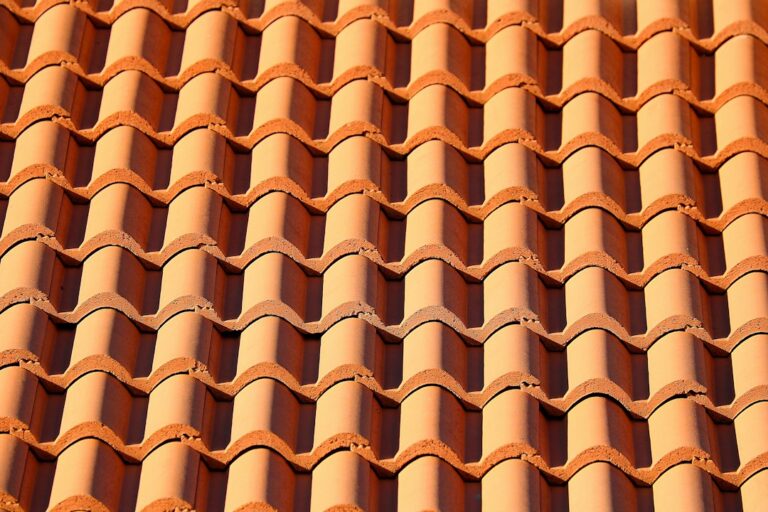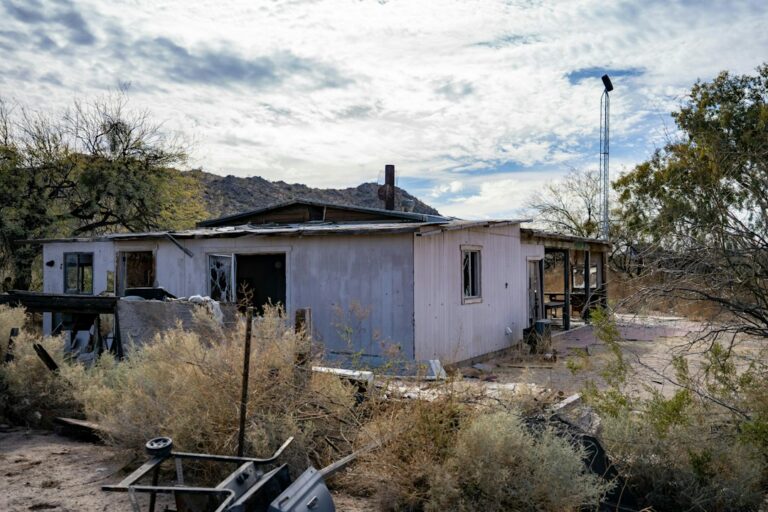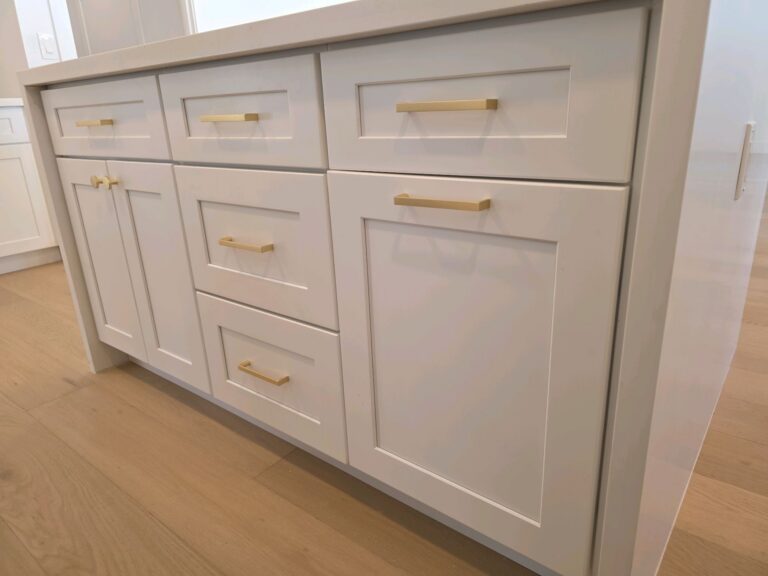
A flipped house can look beautiful and still miss a lot of small details. This 1986 single-story flip in Mesa had new white shaker cabinets, black fixtures, fresh paint and a recently replaced tile roof. My report still listed 49 action items and 9 safety items. Months later I stayed in the house for a while and spent the time fixing the small stuff the flipper skipped. That’s the video above. If you’re buying a flipped house, here’s what to look for.
Why a flip can look great and still miss the details
Most flips put the money where buyers look. Cabinets, counters, flooring, fixtures and paint all show up in the listing photos. Sanding, caulking, securing and testing don’t, and they take time. On a fast flip, time is the first thing that gets cut.
That’s not a knock on every investor. Some do careful work. But when I walk into a freshly remodeled house, I assume the finishes are new and I go looking for the steps behind them. I saw the same pattern in a Peoria flip and in the worst flip I inspected in 2024.
The kitchen and bathrooms: new finishes, old shortcuts
The house was vacant and unfurnished on inspection day, which made it easy to test everything. The kitchen and baths were the prettiest rooms in the house, and they had plenty of findings.
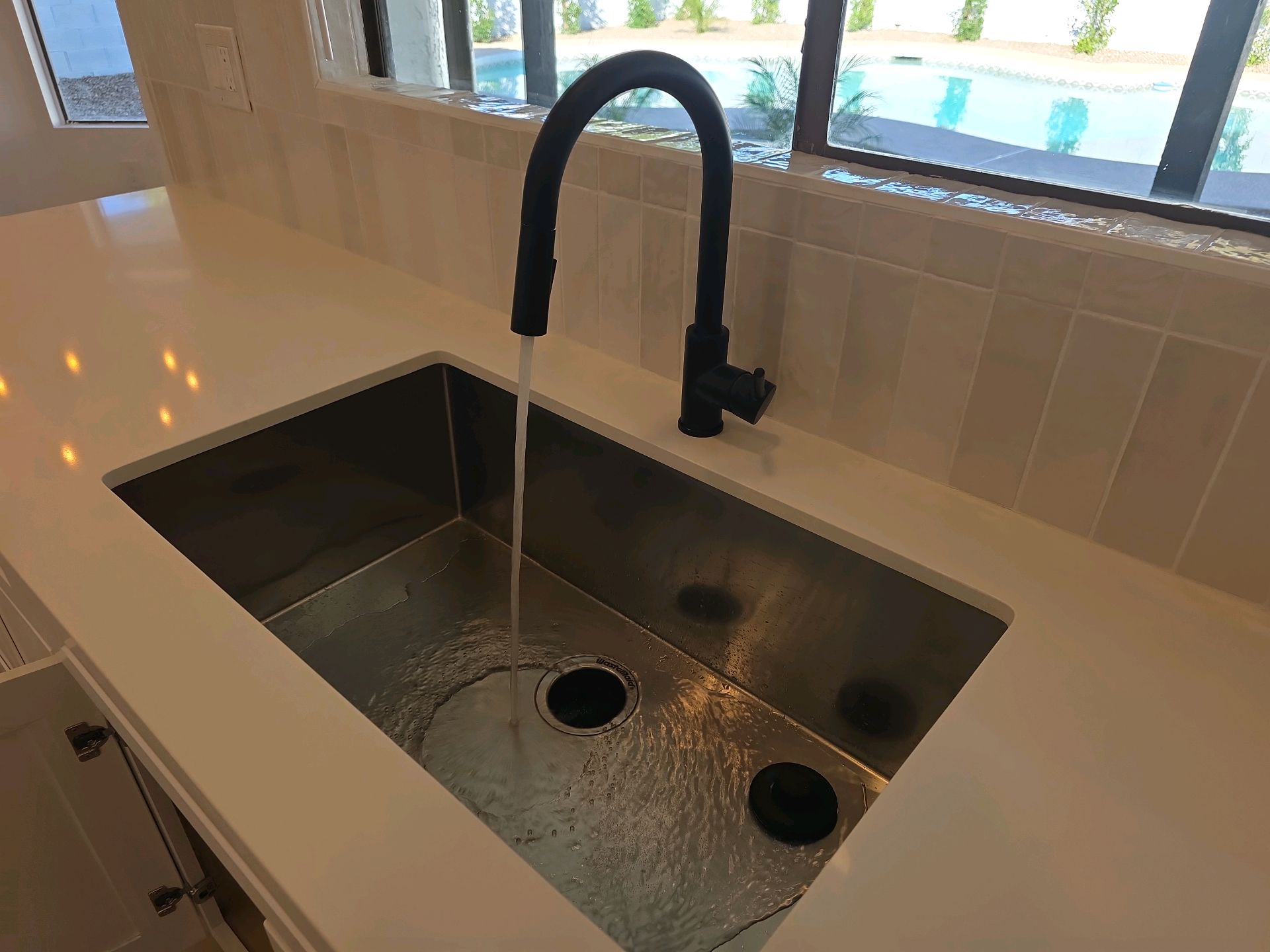
- Hot and cold reversed. The new kitchen faucet had the hot and cold lines swapped. It’s a small thing until a kid or a guest turns the wrong way expecting cold water.
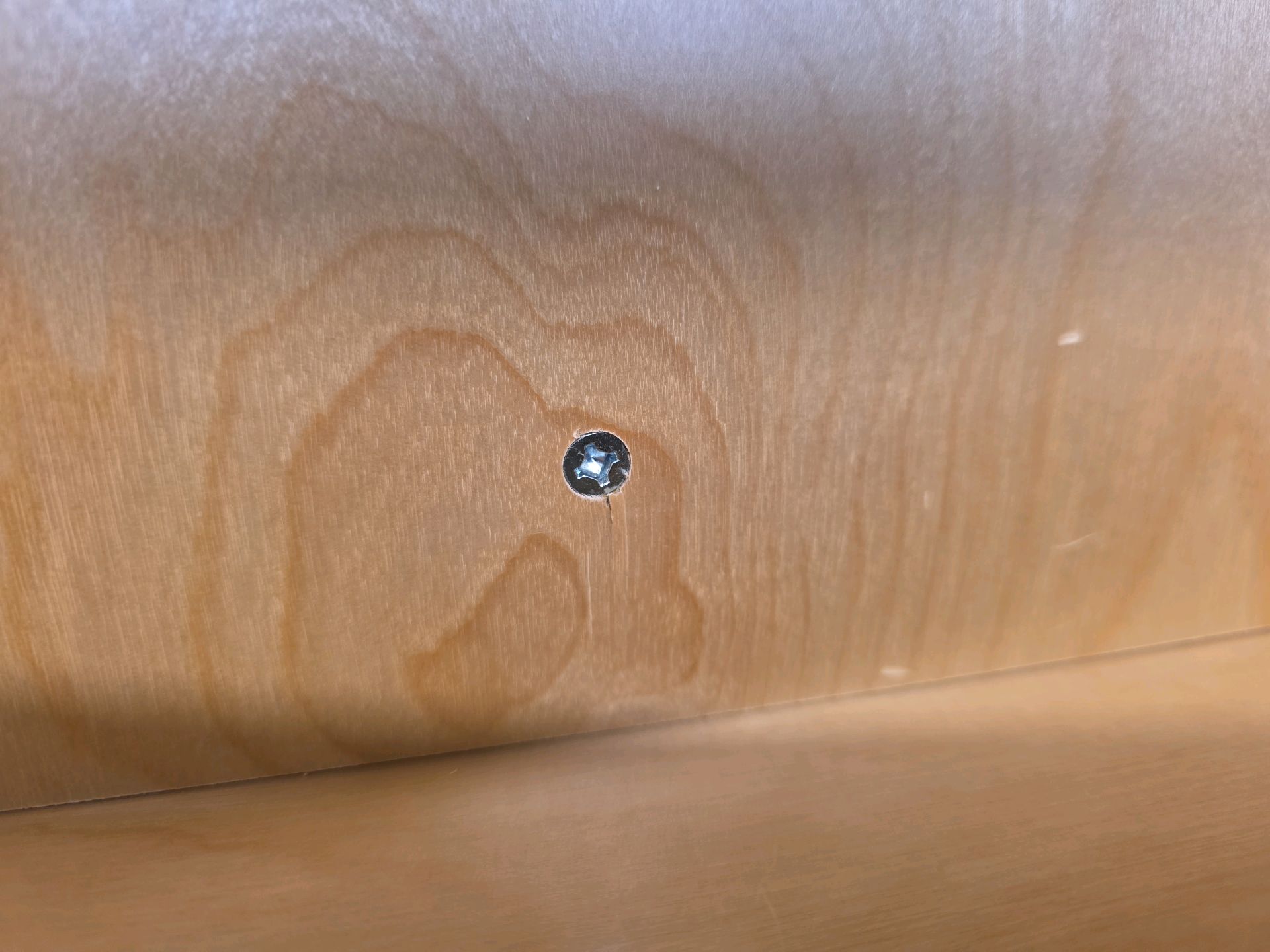
- Cabinets hung with the wrong screws. The new cabinets were attached to the wall with screws that weren’t right for the job, and some doors weren’t level or rubbed when they closed.
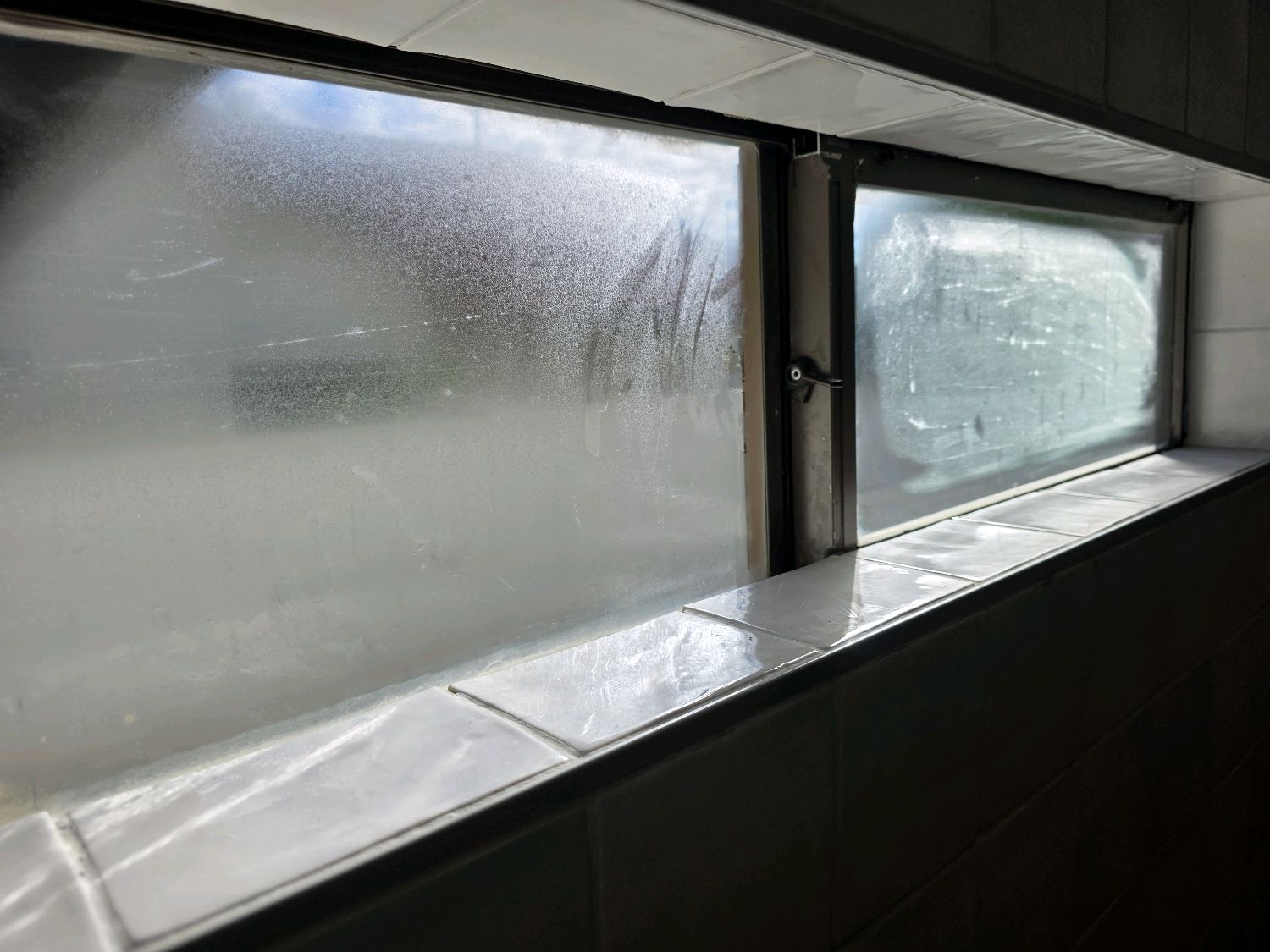
- Tile run over the window frame. In the remodeled bathroom, the wall tile was installed over the edge of the window frame. That left a gap right where shower water hits, so moisture can get behind the tile and into the wall.
- A leaking shower and loose trim. The shower enclosure leaked during testing, and the escutcheon plates around the pipes were loose.
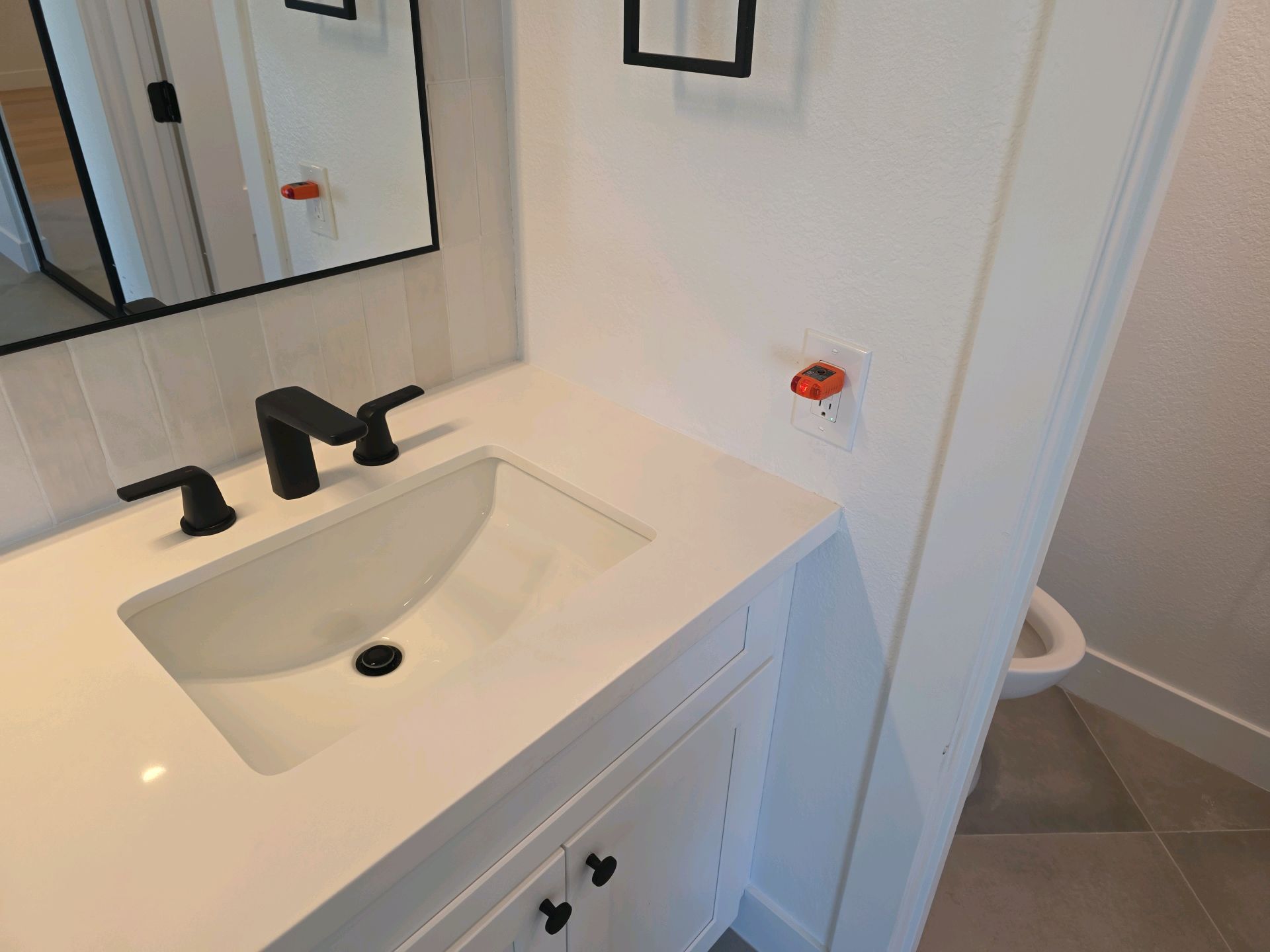
- A miswired GFCI. A bathroom GFCI outlet tested as improperly wired, so it may not protect anyone from a shock.
Roof, electrical and fireplace
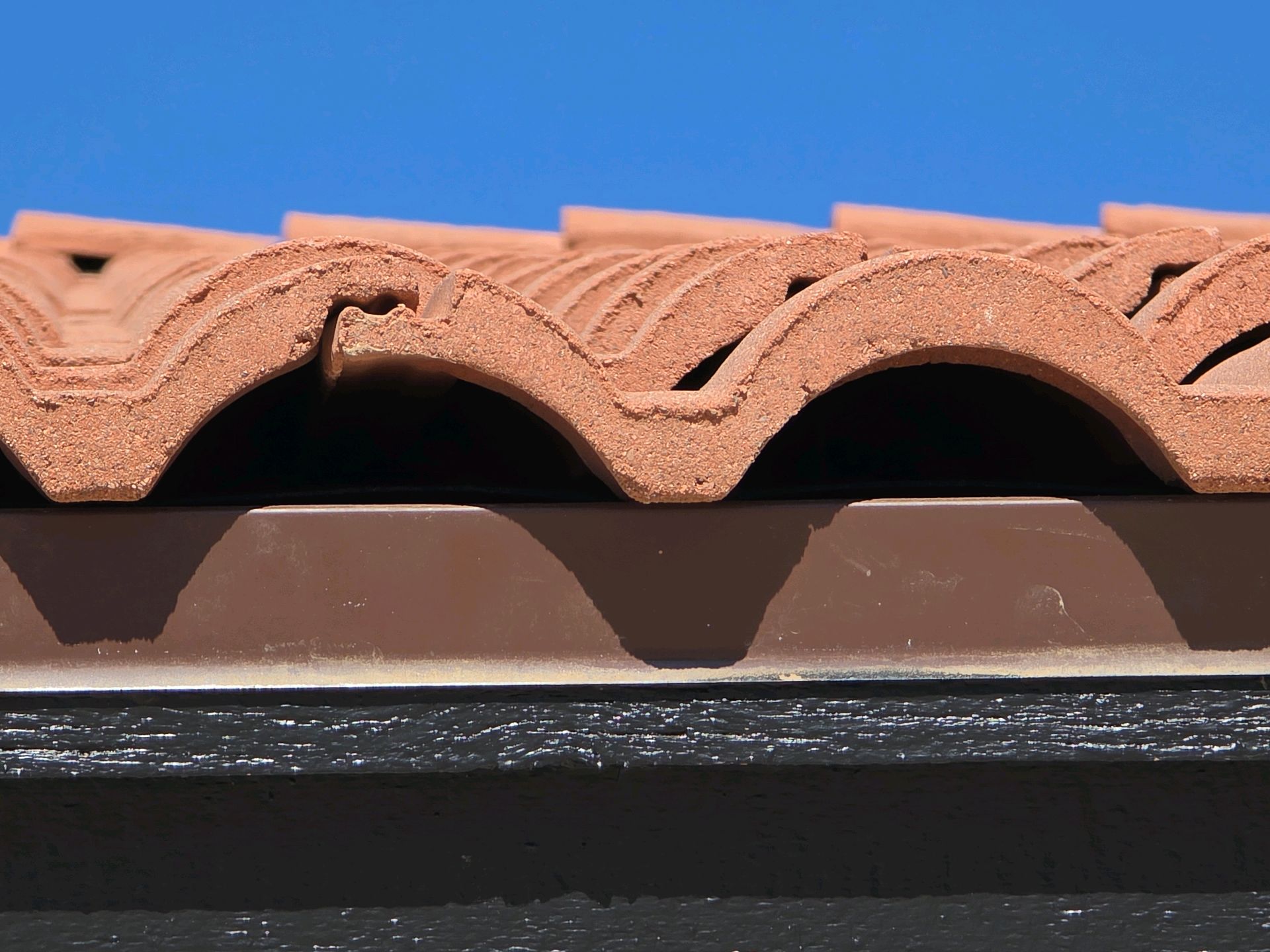
A new roof is a big selling point on a flip. This one had been recently replaced, but the bird stops were never installed along the eaves. Those inserts close the gap under the curve of each tile. Without them, birds, rodents and wind-driven rain can get under the tile and work on the new underlayment. The concrete tiles themselves were worn rough and pitted.
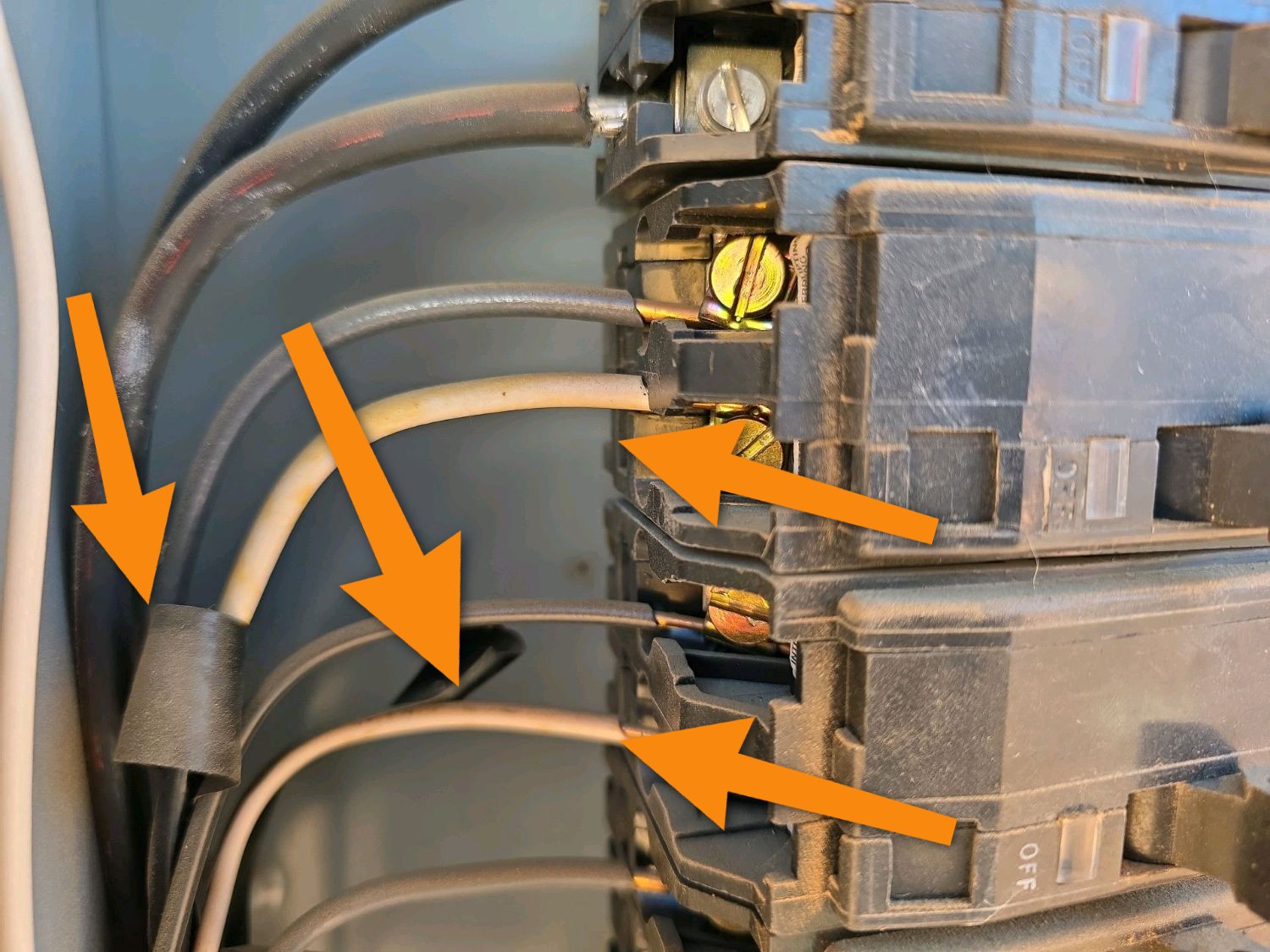
In the electrical panel, white wires were being used as hot wires, and the tape marking them was falling off. Too much sheathing had been stripped from the wires coming into the panel, and the panel itself was outdated. There was also no carbon monoxide alarm anywhere in the house. The CPSC recommends a CO alarm on every level of the home and outside sleeping areas.
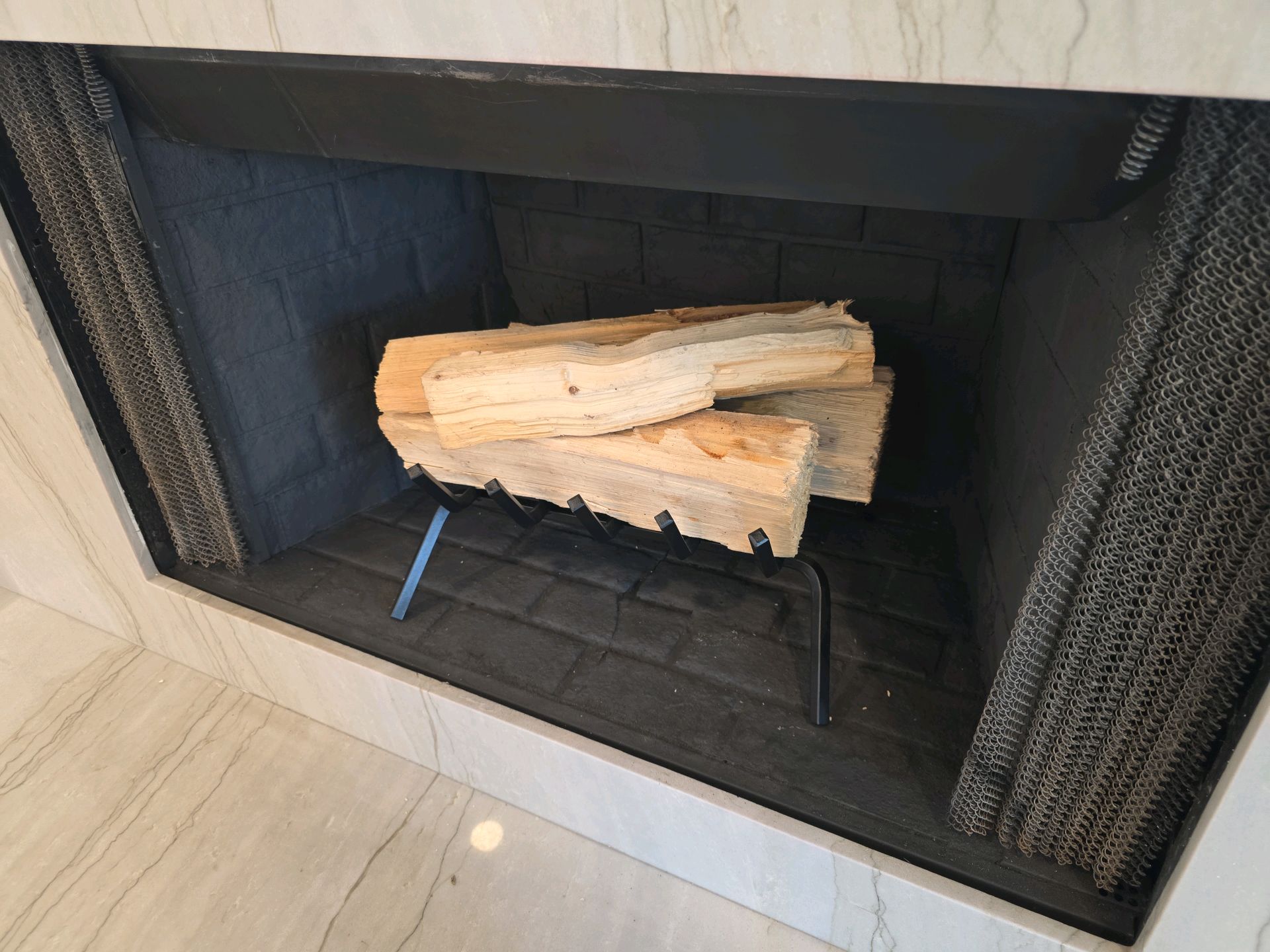
The fireplace got a new surround, but the firebox was made for gas logs and someone had been burning wood in it. A gas-rated firebox isn’t built for that heat, and the panels were cracked. My report said to stop using it until a chimney professional replaces the damaged unit.
The systems nobody sees
Flips rarely touch the parts of a house that don’t show up in listing photos. On this one:
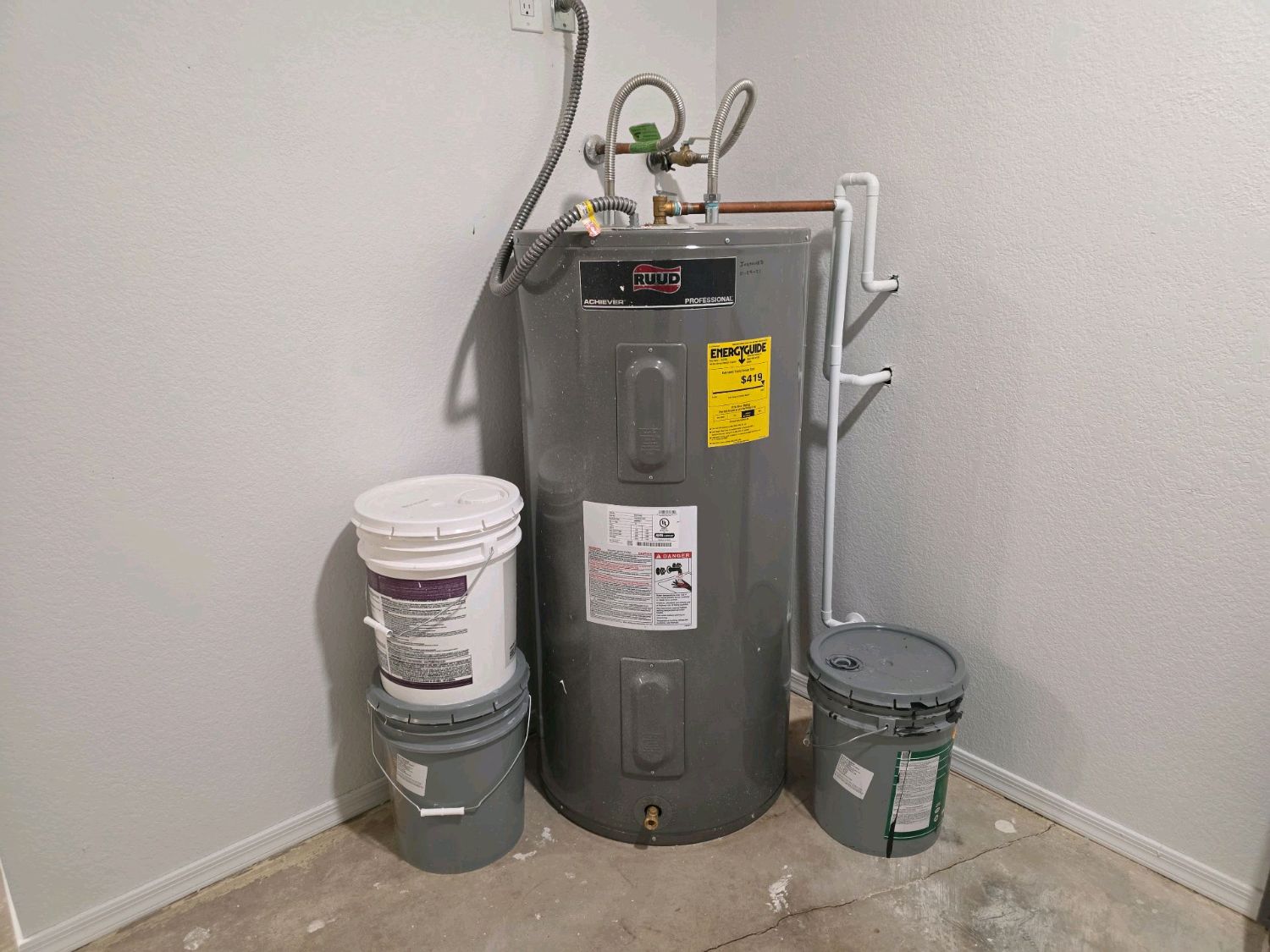
- Water heater. The house has a pressure regulator but no expansion tank on the water heater, and there was no drip pan under the tank.
- Heating and cooling. The system still runs on R-22, it was at the end of its service life, and the heat pump didn’t put out enough heat in heating mode. U.S. production and import of R-22 ended January 1, 2020. You can keep running an existing system, but the EPA expects supply to keep shrinking and prices may rise, so budget for a replacement.
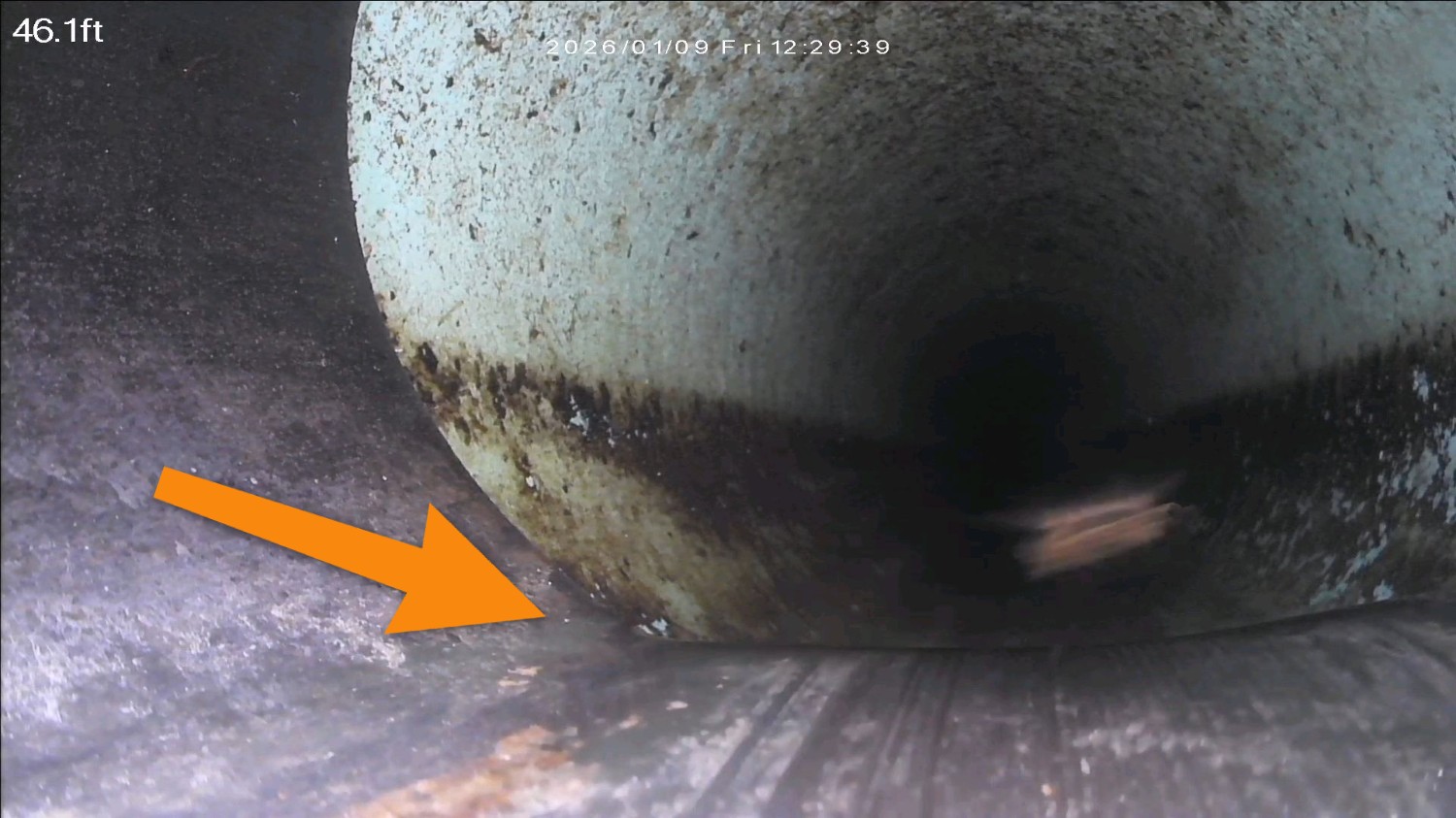
- Sewer line. The camera found a significant belly, and high water marks in the line showed it had already backed up at some point.
- Foundation and drainage. There was major cracking at the foundation, saturated ground and poor drainage around the house, and a heaving garage floor.
Living in it: the small stuff I fixed
Living in a house shows you things an inspection can’t, so during my stay I worked through what the flipper skipped. Here’s what that looked like in the video.
- Paint over the hinges. The doors and trim were painted after the hinges went on. The hinges were covered in paint and the wood behind them never got any. A lot of the trim was never sanded either. I took the hinges off one at a time, cleaned them, sanded and painted behind them, then put them back. Sanding a little damp keeps the dust down.
- Open gaps behind the outlet covers. With the cover plates off, many outlets had big gaps open to the wall cavity, and one box was barely held in place. I filled what I could with caulk and added foam insulating pads behind the plates to stop drafts and bugs.
- Attic air leaking in. At one of the biggest gaps I could feel air moving, and my thermal camera showed cooler air coming down from the attic into the room. Every door also had an open gap along the top of the trim. Sealing just the door tops took about two tubes of caulk.
- Loose cabinets. One cabinet moved when you pushed on it, and the pull-out trash cabinet had a screw that popped out. I filled the gaps with adhesive caulk, packed the stripped hole with wood filler and added screws on each side.
- Paint where it doesn’t belong. There was paint along the marble fireplace surround and spots on the floors and fixtures. Fine sandpaper took it off the marble, and a little Goof Off handled most of the rest.
One tip from the video: an ’80s house leaks a lot of air. The more of these gaps you seal, the more you need to run your bathroom fans so the house still gets fresh air.
Two bigger items showed up during my stay. After a rain there was a wet spot in the fireplace. I dried it out with a fan. A day later it was still raining and the firebox stayed dry, so my best guess is wind-driven rain getting past the chimney cap. That area needs sealing. I also found a section of wall that bulges out, which lines up with the cracking in the garage and at the front of the house. It looks like moisture pushed the slab up in that area. The irrigation, the lack of any yard drains and plants set right against the house all keep that soil wet.
My suggestions for the owner: add a drain in the backyard, swap the thirsty shrubs at that corner for low-water plants like aloe, move plants farther from the foundation, and build up the grade so water runs away from the house instead of pooling next to it.
Buying a flipped house? What to check first
You don’t need tools to spot a rushed flip. On your next showing, try these:
- Open the cabinets. Look for paint on the hinges, push on the boxes to see if they’re tight to the wall, and close every door.
- Run every faucet hot and cold. Reversed lines are easy to catch if you check.
- Shine a flashlight across the trim. Hold it low and at an angle. Unsanded trim, drips and rough patches show right up.
- Ask for permits, receipts and license numbers. Ask what was done, by whom, and whether it was permitted. Look up each contractor with the Arizona Registrar of Contractors. In Mesa, the city’s online permit search covers records from 2017 on, and older records take a document retrieval request. Here’s more on how to check a contractor’s license.
- Scope the sewer line. A new kitchen tells you nothing about the pipe under the slab. This one had a belly and signs of past backups.
- Watch where the water goes. Look at irrigation and plants next to the foundation and at grading that slopes toward the house. That’s where the cracks start.
Then get the full inspection, read the safety and action items first, and use them for your repair request. Plan some time and money for the small stuff after closing too. On this house, that’s what I spent my whole stay on.
Flipped home inspections in Mesa and across the Valley
If you’re buying a flip, a full home inspection and a sewer camera inspection are the two I’d never skip. I inspect homes all over Mesa and the rest of the East Valley. Every home inspection includes a termite (WDO) inspection at no extra charge, plus a 1-year termite warranty through Firehouse Pest Control in Gilbert.
Buying a home? Book your inspection online or call 623-399-0079.
Property Inspections Plus is a Gilbert, AZ home inspection company led by Certified Master Inspector Dan Pierce. We inspect homes across the East Valley, the Phoenix metro and the rest of Arizona. See all of our service areas.