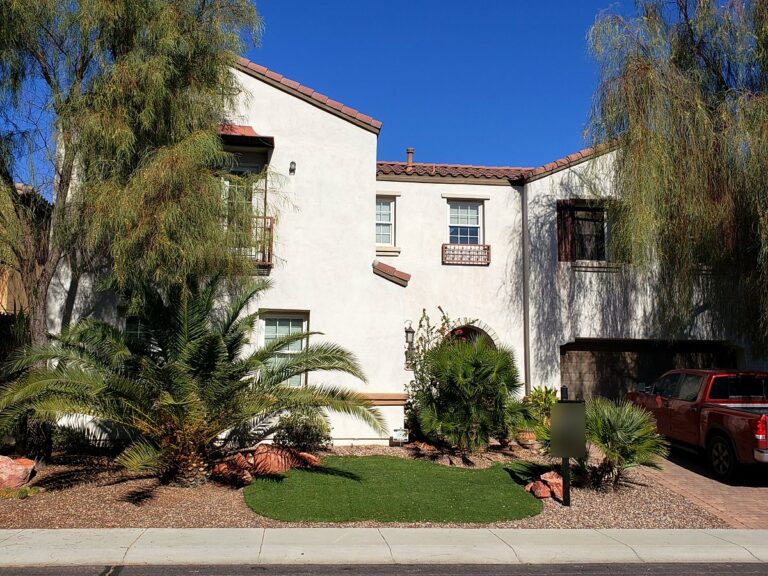
The Arizona Registrar of Contractors (ROC) has more workmanship standards for roofs than for any other trade, with separate sections for composition shingle, flat built-up, foam, lightweight concrete, tile, walk decks and wood shakes. Here are the ones that matter most for Valley homes, where concrete tile and foam flat roofs are everywhere.
What the ROC standard says
| Problem | ROC acceptable tolerance |
|---|---|
| Roof leaks (all roof types) | None allowed. |
| Ponding on flat built-up and foam roofs | Minor ponding up to 1/2 inch deep in small areas (no more than 1/3 of the span), dry within 48 hours after rain. |
| Ponding on walk decks | Minor ponding up to 3/16 inch. |
| Scuppers set too high | Scuppers must be low enough to drain the roof. |
| Improper crickets | A cricket’s slope should be at least twice that of the adjacent roof. A roofer who covers a bad cricket built by another trade takes responsibility for it. |
| Vent or penetration in a valley | Not within 18 inches of the valley centerline. |
| Tile: loose, falling, cracked or broken tiles | None allowed. Chips larger than a quarter, or many chips, are not acceptable. |
| Tile: loose or missing ridge, hip or rake tiles, or visible wood nailers | None allowed. |
| Tile: missing or inadequate underlayment, improper flashing or vent jacks | None allowed; flashing per the manufacturer. |
| Tile: drooping at the eaves or crooked lines | None; lines should be reasonably straight unless deliberate. |
| Foam: bubbles, humps, thin or missing coating, overspray, foam plugging scuppers | None allowed; coating at proper thickness with no voids. |
| Foam: asphalt patches | Not allowed; unapproved repair materials are unacceptable. |
| Built-up: bubbles, alligatoring, lifting seams | Minor bubbles and some minor alligatoring are normal; widespread bubbles require replacement; no lifting seams. |
| Shingle: fish mouths, curling, crooked courses | None; courses reasonably straight. More than six nails in a shingle means it should be replaced. |
What I see in Arizona homes
On tile roofs, the tile is mostly cosmetic and sun protection; the underlayment beneath it is what keeps water out, and in our heat it usually wears out long before the tile does. I find cracked tiles from other trades walking the roof, missing bird stops, and mortar falling off hips and ridges. On foam roofs I look for blisters, worn coating with exposed foam and ponding near scuppers. The Tile Roofing Industry Alliance and National Roofing Contractors Association publish good homeowner guidance, and monsoon season is the time to check; see the National Weather Service Phoenix office.
If your home doesn’t meet the standard
Photograph stains inside and damage outside after a rain, then send the builder or roofer a written request for repair. If they won’t correct it, you can file a complaint with the Arizona Registrar of Contractors, generally within two years of close of escrow, occupancy or completion. An 11-month warranty inspection includes the roof when it is safe to walk.
This page is part of our Arizona Workmanship Standards guide. Tolerances are summarized from the ROC Workmanship Standards for Licensed Contractors; the adopted building code takes priority where they differ.
Home inspections in Gilbert and across Arizona
Every home inspection includes a termite (WDO) inspection at no extra charge. We inspect homes in Gilbert, Mesa, Chandler and across the Valley. See all of our service areas.
New build or warranty running out? Book your inspection online or call 623-399-0079.