If you’re buying a flipped house in Arizona, ask for three things before your inspection period ends: the permits, the receipts, and the Registrar of Contractors (ROC) license number of whoever did the work. Fresh paint and new cabinets tell you what the flipper bought. Paperwork tells you what they fixed. This Phoenix house is a good example of why that matters.
What I found under a pretty remodel
This was a 72-year-old Phoenix home, renovated in 2022. Wood frame on a crawl space. The listing history showed the price jumped more than $250,000 in under a year after the remodel. From the street it looked great. New stucco job, new roof, a 2022 heat pump on the roof, a 2022 water heater.
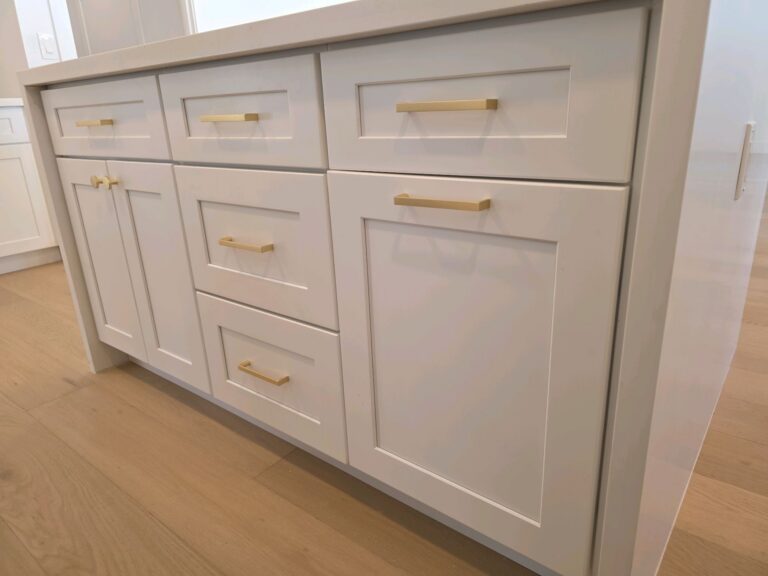
Then you walk in the side door and everything slopes downhill. The fridge leaned. A wall was pushing out, and the cabinets had been leveled off that crooked wall. The trim was leveled off a crooked floor. Doors had a tiny gap on one side and a big one on the other. In a couple of spots I could push my foot into the subfloor about half an inch.
Under the house, supports weren’t touching the floor joists anymore. There was a big gap where somebody had done a repair at some point, and the crawl space was full of garbage. I also saw loose material on the ground that looked like vermiculite. The EPA treats vermiculite insulation as possibly containing asbestos and says it should be “left undisturbed.” I don’t need to crawl through that to tell you the house has foundation issues. You can see them from the kitchen.
The rest of the list read like a handyman did a lot of this for a really good price:
- Attic. No insulation at all. Disconnected ducts, so the AC was conditioning the attic. Open junction boxes. The new bath fans had no duct to the outside, so all that shower moisture was going into the attic.
- Dryer. The dryer vent ran into the crawl space.
- Electrical panel. The dead front cover had been cut and held on with self-tapping screws, with what looked like melting. I don’t open a panel that looks hazardous. That goes straight to an electrician.
- Plumbing. Copper to CPVC to PEX in different parts of the house, a flex trap under the kitchen sink, and mineral deposits at the toilets showing water had been there.
- Ventilation. Only two gable vents for the whole attic. No new roof vents went in when the roof was redone.
- Exterior. Stucco cracks running up from a window, caulking gaps, and a gate mounted so close it hits the house and won’t open.
A lot of the major components were replaced. But the structure is what everything sits on. If that’s moving, you get cracks everywhere, and the fresh paint is only covering the ones that already happened. I’d expect them to keep coming. You talk about lipstick on a pig. This was a really nice looking house, but once you look under the covers, it’s fried bacon. My client passed on it.
Why permits matter on a flip
A permit means a city inspector looked at the work at certain stages. Not perfect, but it’s somebody outside the flipper’s bubble. On this house, if the floor framing had been repaired under a permit, there would be a record of who did it and that someone checked it. Instead the floor was covered with new flooring and trim, and the structure underneath was left alone.
The City of Phoenix says construction permits are required for remodels and additions, including things like garage conversions, porch enclosures and patio covers. That same page links a public search where you can look up permits and applications for a property. Other Valley cities have their own building departments and lookups, so search the city where the house sits.
The seller’s disclosure helps too. The Arizona REALTORS Seller’s Property Disclosure Statement (SPDS) asks the seller about work done on the property, whether permits were required and obtained, and whether the work was done by someone licensed to do it. On a flip, read that section line by line. If the answers are blank, vague or “unknown,” that’s your cue to ask.
Receipts and the ROC license
Receipts show who actually did the work and what they did. “New roof” on a listing could mean a full tear-off with new underlayment, or a few tiles and some paint. An invoice tells you which one you’re getting, and it gives you a company name to look up.
Then check the license. The ROC says a license is required when a project’s total cost, labor and materials, is over $1,000, or when it needs a local permit. Foundation work, a panel change, a new roof and a full rough-in of plumbing all land well over that. The ROC runs a free contractor search where you can confirm a license is current. That same ROC article on contracting notes that eligible homeowners can apply to the Residential Contractors’ Recovery Fund for up to $30,000 to have work corrected or completed. That only helps if a licensed contractor did the work. I wrote more about this in how to check an Arizona contractor before you hire.
What to ask for before your inspection period ends
Send this list through your agent as soon as you’re under contract. You want the answers back while you still have time to act on them.
- A scope of work. What was replaced, repaired or just painted? Roof, HVAC, water heater, panel, plumbing, windows, flooring.
- Permit numbers. Especially for structural, electrical, plumbing, roofing, HVAC and any added rooms. Then look them up yourself.
- Invoices and receipts. With company names, dates and what was done.
- ROC license numbers. For every contractor on those invoices. Check that each one was active and that the license type matches the work.
- Warranties. Roofing, HVAC and water heater warranties, and whether they transfer to you.
- Any engineer’s report. If there was foundation or framing work, ask who signed off on it.
How to look at a flip with your own eyes
You don’t need a tool bag to catch a lot of this. On your showing, open and close every door and look at the gaps around them. Look along the floors and the tops of the cabinets. Does that look straight to you? Look at where the trim meets the floor. If the trim was installed level and the floor keeps sinking, you get gaps that open up and close as you walk the room. Peek under the sinks for flex traps and water stains. Fresh paint over everything, including things that shouldn’t be painted, is always a bad sign.
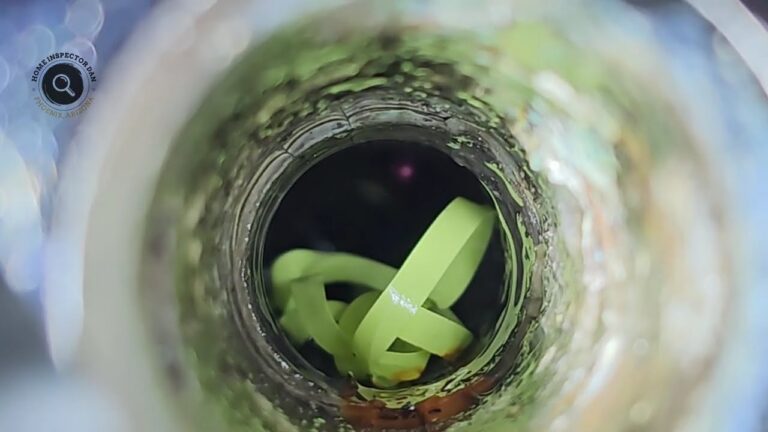
Then get the full inspection, and on an older flip, I’d add a sewer scope. A remodel almost never includes the line under the yard. I covered more of the usual flip shortcuts in the worst home flip I inspected.
What to do next
- Book the inspection early in your inspection period. The report comes within 24 hours, which leaves you days to get estimates.
- Call the right specialist for an estimate. A structural engineer or foundation contractor for movement, an electrician for panel and wiring issues, a licensed plumber for mixed piping and leaks, an HVAC tech for duct problems.
- Use real numbers on your BINSR. With foundation problems, don’t just knock $5,000 off and hope. Get estimates. The BINSR guide walks through how to ask for repairs or a credit.
- If the seller fixes things, verify them. Ask for receipts again and consider a reinspection.
A flip isn’t automatically bad. Some flippers do good work and have the paperwork to prove it. It all depends on what you want to buy, the price, and what you and the seller are willing to do. Just make sure you know what you’re getting and you’re not taking somebody’s word for it.
Flip and remodel inspections in Phoenix and across Arizona
Buying a remodeled or flipped home? Our residential home inspection covers the structure, roof, attic, electrical, plumbing and HVAC, and a sewer camera inspection checks the line the remodel didn’t touch. We inspect throughout Phoenix and Mesa. Every home inspection includes a termite (WDO) inspection at no extra charge, plus a 1-year termite warranty through Firehouse Pest Control in Gilbert if no active termites are found.
Buying a home? Book your inspection online or call 623-399-0079.
Property Inspections Plus is a Gilbert, AZ home inspection company led by Certified Master Inspector Dan Pierce. We inspect homes across the East Valley, the Phoenix metro and the rest of Arizona. See all of our service areas.