If you got here from a link in your inspection report, you saw a comment called Homeowner’s Responsibility. It isn’t a defect. It’s me telling you what the house needs from you after you get the keys. Nobody else is going to watch your roof, clean your gutters or change your AC filter. That’s your job now, and this page shows you how to do it.
Jump to the part you need:
Your roof
Any roof can leak. Roofs are built to shed water, not to be waterproof, and sooner or later every roof system leaks somewhere. Nobody can predict exactly when or where. Your job is to catch small problems before they turn into wet insulation, stained ceilings and rotted wood.
You don’t need to climb up there. Most Arizona roofs are concrete tile, and walking on tile breaks it. From the ground or a ladder at the edge, use binoculars or the zoom on your phone. Look at the roof a couple of times a year and after every big monsoon storm.
- Cracked, slipped or missing tiles. On concrete tile, the tiles protect the underlayment, and the underlayment is what keeps water out.
- Loose or bent flashing at walls, chimneys, vents and valleys.
- Debris in valleys and gutters. Leaves and palm fronds hold water against the roof and send it where it shouldn’t go.
- Bubbles, cracks or bare spots on flat foam or rolled roofs.
- Signs inside the house. Ceiling stains, a musty attic, or wet or matted insulation.
More of what I look for: Learn to Spot Roof Defects Before They Become Damage, curling underlayment on a tile roof, popped bubbles on a foam roof and a roof leak that washed out the insulation. Roof leaks also draw termites. Here’s why roof leaks are suspect in termite infestations.
Ask the seller for warranty paperwork. Some roof warranties transfer to a new owner. Get the roofer’s name, the date of the work, and any warranty before you close. If a roof was recently “repaired,” read Real Roof Repair or Just a Paint Job? For the long view on tile roofs, see How Long Does a Concrete Tile Roof Really Last in Arizona? and Tile Roof Underlayment.
Your gutters and downspouts
Your job is to make sure the gutters actually work during and after a rainstorm. The rain water has to end up far away from the foundation. If it doesn’t, the gutters just collect roof water and dump it in one spot next to the house.
- Walk the house while it’s raining. That’s the only time you can see overflowing gutters, leaking seams and downspouts splashing against the wall.
- Look for loose parts and sagging ends. A sagging gutter holds water instead of draining it.
- Check for leaks at seams, corners and end caps.
- Keep the downspouts going the distance. I like to see water land at least 4 to 6 feet from the foundation, using extensions, splash blocks or an underground drain line.
- Clean them out before monsoon season and after leaves drop in the fall.
Watch how a little gutter damage can lead to foundation settlement. For the full rundown on gutters here, including the installation mistakes I find, read Gutters in Arizona and Foundation Water Damage in Arizona.
Your heating and cooling system
In Arizona, your air conditioner is the hardest-working thing in the house. Keeping it maintained and running is the homeowner’s job. Most home systems are fairly simple: controls, a fuel or power supply, the heating or cooling unit, and the ducts that move the air. Whether a room feels comfortable depends on a lot of things, like where the vents and returns are, how fast the air moves, and how loud the system is. During an inspection I check that the system operates. Keeping it healthy is up to you.
- Get it serviced every year by a licensed HVAC contractor, ideally in spring before the heat hits. Ask them to check refrigerant, clean the condenser coil and clear the condensate drain.
- Change or clean the air filter. In Arizona dust and summer run times, check it monthly. Use the right size, and don’t go thicker than the return was built for.
- Listen to it. Whistling at the return usually means a dirty or too-thick filter.
- Keep the outdoor unit clear. Leave a couple of feet of open space around it, and keep plants, trash cans and debris away.
- Watch the condensate line. Water where it shouldn’t be, at the furnace, in the attic or pooling on the roof, needs attention.
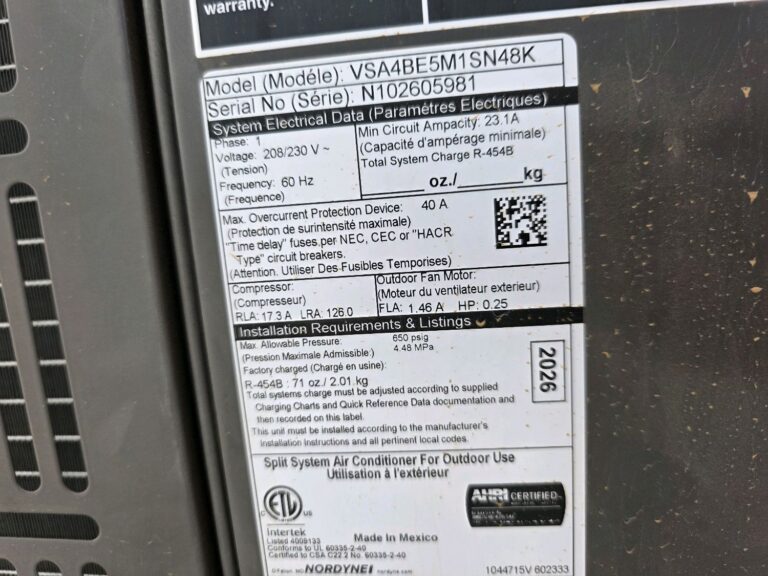
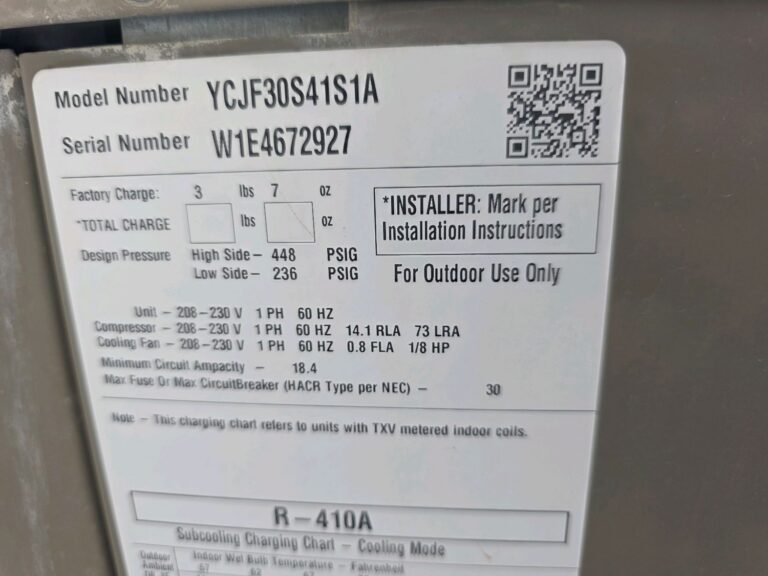
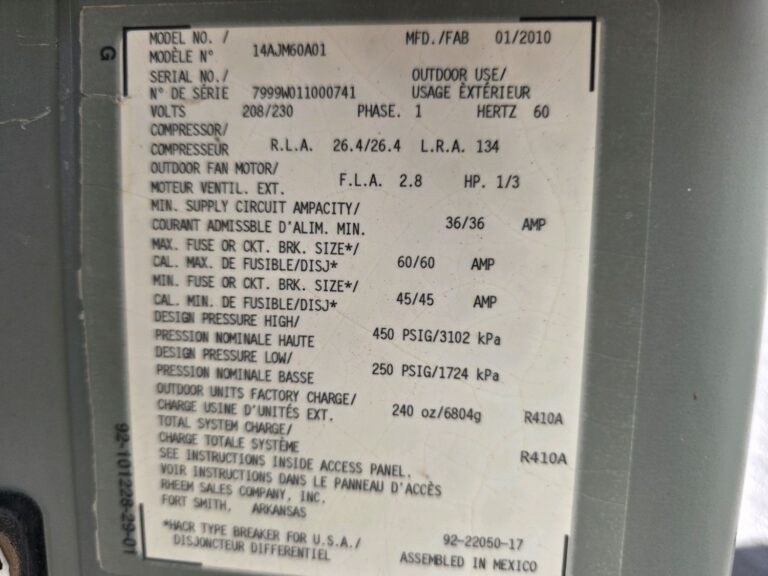
More on filters: Whistling AC Return? Your Air Filter May Be Too Thick, a thick filter won’t help if it’s the wrong size and always use an air filter. If you have a rooftop unit, see what I found inspecting a rooftop HVAC unit and pooling water around roof fasteners. For older systems, read Will a Home Warranty Replace Your Old AC? and R-410A to R-454B: What the Refrigerant Change Means.
When to call a pro
Watching and basic upkeep are your job. Repairs are not a DIY project if you don’t know what you’re doing. Call a licensed roofer, gutter installer or HVAC contractor, and check their license with the Arizona ROC first. For a year-round list, see 5 Seasonal Must-Dos for Arizona Homeowners.
Building a new home? An 11-month warranty inspection catches roof, gutter and HVAC problems while the builder still has to fix them.
Questions about your report? Call 623-399-0079. Buying a home? Book your inspection online.
Property Inspections Plus is a Gilbert, AZ home inspection company led by Certified Master Inspector Dan Pierce. We inspect homes across the East Valley, the Phoenix metro and the rest of Arizona. See all of our service areas.