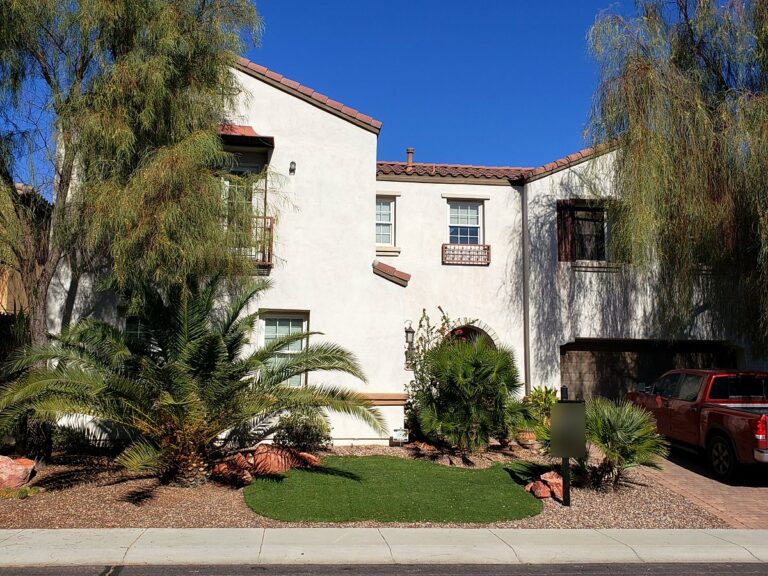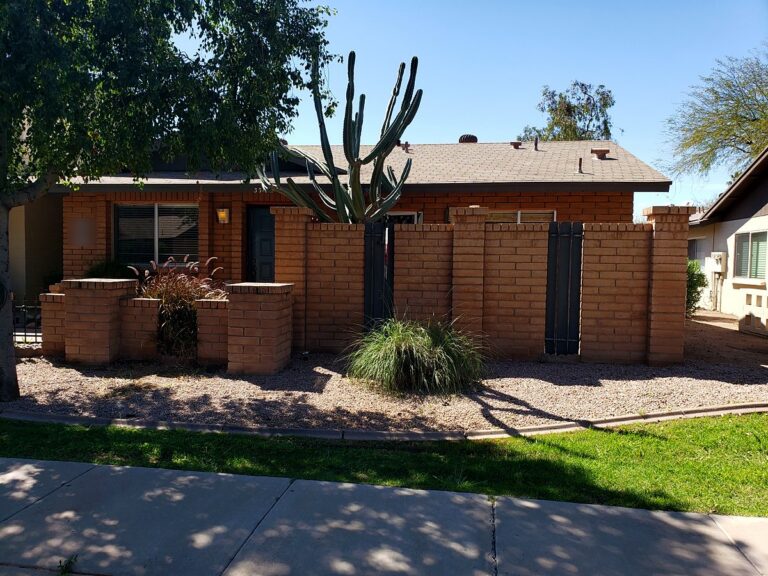
When a contractor builds or repairs something in Arizona, there is a written yardstick for what counts as acceptable work. The Arizona Registrar of Contractors (ROC) publishes Workmanship Standards for Licensed Contractors, a list of common problems by trade with the tolerance the ROC considers acceptable and what the contractor should do to fix it. I use these standards all the time on new construction and 11-month warranty inspections, and they are just as useful when you are looking at a remodel or a flip.
Below is a short explanation of how the standards work, followed by a plain-English page for every category on the ROC list.
Where the standards come from
Arizona law directs the ROC to adopt minimum standards for good and workmanlike construction. The rule that carries this out is A.A.C. R4-9-108: a contractor must perform all work in a professional and workmanlike manner, and in line with applicable building codes and professional industry standards. The ROC’s Minimum Workmanship Standards document (linked from the ROC’s Statutes, Rules and Policies page) spells out what that means trade by trade. Where the standards and the building code disagree, the code wins.
How to read each standard
Every item in the ROC document has three parts:
- PD, possible deficiency: the problem, such as a door that rubs the jamb.
- AT, acceptable tolerance: how much is allowed, such as 1/8 inch of clearance at the top and sides.
- CR, contractor responsibility: what the contractor should do, such as adjust the door one time in the first year.
How long a contractor is on the hook
The ROC can generally act on a workmanship complaint for two years after the earliest of close of escrow, actual occupancy of new construction, or completion of the project. Many items in the standards also call for a repair one time within the first year. That is exactly why the 11-month warranty inspection matters: it finds the problems while the builder still has to fix them. Before you file anything, put your concerns to the builder or contractor in writing, and check their license with the ROC’s Before You Hire tools.
A note on home inspections
These standards apply to licensed contractors, not to the seller of a resale home, and a home inspection is not a code inspection. I use the ROC tolerances as a reference so my reports can tell you when something is outside what Arizona considers acceptable workmanship and who should fix it. The numbers on these pages are summarized from the ROC document; always check the current version and the code adopted by your city.
The standards, category by category
Systems
- Air Conditioning and Heating
- Electrical Systems
- Plumbing
- Fireplace
- Insulation
- Septic Tank Systems
- Solar Hot Water Systems
Structure and exterior
- Roofs (tile, foam, built-up, shingle and more)
- Vents, Louvers and Turbines
- Concrete
- Carpentry: Exterior, Interior and Framing
- Stucco
- Masonry
- Siding
- Glass, Windows and Sliding Doors
- Weather Strip and Thresholds
- Waterproofing and Vapor Barriers
- Painting
Interior finishes
- Gypsum Wall Board (Drywall)
- Cabinets and Vanities
- Countertops
- Tile (including Saltillo)
- Carpet
- Hardwood Floors
- Resilient Floor Covering (Vinyl)
Yard, site and pool
- Site Work and Drainage
- Landscaping
- Sprinklers, Bubblers and Drip Systems
- Interlocking Pavers
- Walls, Curbs and Fences
- Swimming Pools and Spas
For agents and new-build buyers
Agents, these pages are written so you can send a client a link instead of an argument. If a builder says a cracked slab or a sticking door is normal, the ROC tolerance gives everyone the same number to look at. See our resources for real estate agents, the walkthrough checklist for buyers and what to do after the inspection.
Home inspections in Gilbert and across Arizona
Every home inspection includes a termite (WDO) inspection at no extra charge. We inspect homes in Gilbert, Mesa, Chandler, Queen Creek and across the Valley. See all of our service areas.
New build or warranty running out? Book your inspection online or call 623-399-0079.